How to Order ? Simple.
-

1.
Select Treatment
Choose from our treatment options or speak to the in-store pharmacist for advice
-

2.
Complete Medical Questionnaire
Complete our free online medical consultation to be reviewed by our Clinical Team
-

3.
Collect Medication from Local Pharmacy
We will notify you when your medication is ready for collection
Advice for Eye Infection
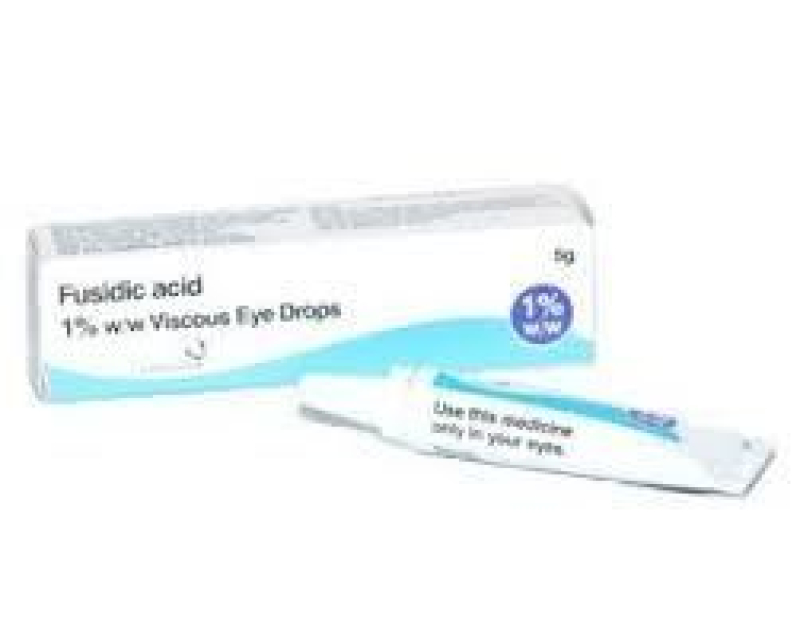
Eye infections are a common cause of conjunctivitis. In conjunctivitis, your eye becomes inflamed, feels gritty, and may water more than usual. The white of your eye may look red, and your eyelids may become swollen and stuck together with a discharge when you wake up in the morning. Only one eye may be infected to begin with, but it often spreads to both eyes. Most cases of infective conjunctivitis clear within a week or so without treatment. For more severe infections, or for infections which do not clear on their own, an antibiotic eye drop such as fusidic acid is helpful.
Common symptoms of an eye infection
- Redness (diffuse or localized)
- Eye pain or soreness (mild to severe)
- Irritation, burning, or stinging
- Grittiness or feeling of a foreign body
- Increased tearing (watery discharge)
- Purulent (yellow/green) or mucopurulent discharge — crusting of eyelids, especially on waking (suggests bacterial)
- Sticky eyelids in the morning
- Itching (more common with allergic conjunctivitis)
- Swelling of eyelids or around the eye
- Blurred or reduced vision
- Photophobia (light sensitivity)
- Increased sensitivity or discomfort with contact lenses
- Eye heaviness, tenderness, or localized eyelid pain (blepharitis or eyelid infection)
- Severe pain, marked vision loss, intense redness, or severe photophobia (possible corneal involvement or deeper infection) — seek urgent ophthalmic care
Typical patterns:
- Bacterial: purulent discharge, eyelid crusting, redness, often one eye initially then may spread
- Viral: watery discharge, gritty sensation, often starts in one eye and spreads, may be associated with recent upper respiratory infection
- Allergic: intense itching, watery or mucoid discharge, usually both eyes, seasonal or recurrent
- Corneal (keratitis): more severe pain, decreased vision, photophobia, often a focal intense redness
Infectious causes
- Bacteria: Staphylococcus aureus, Staphylococcus epidermidis, Streptococcus pneumoniae, Haemophilus influenzae, Moraxella, Pseudomonas aeruginosa (especially contact-lens associated), Neisseria gonorrhoeae (hyperacute conjunctivitis).
- Viruses: Adenoviruses (common conjunctivitis), herpes simplex virus (keratitis, blepharoconjunctivitis), varicella-zoster virus (herpetic zoster ophthalmicus), enteroviruses.
- Fungi: Candida, Aspergillus, Fusarium (more common after trauma with organic matter or in immunocompromised).
- Parasites: Acanthamoeba (contact-lens–related keratitis), ocular ectoparasites (e.g., lice rarely).
Noninfectious causes that mimic infection or predispose to infection
- Allergic conjunctivitis (seasonal or perennial)
- Chemical/thermal irritation or toxic conjunctivitis (medications, pollutants)
- Mechanical/foreign body-induced inflammation
Risk factors that predispose to eye infection
- Contact lens wear (poor hygiene, overnight wear, contaminated solutions)
- Ocular trauma or corneal abrasion (especially with organic matter exposure)
- Recent ocular surgery or invasive eye procedures
- Eyelid disease (blepharitis, meibomian gland dysfunction)
- Immunosuppression (diabetes, HIV, systemic immunosuppressants)
- Use of topical steroids (can worsen or mask infections)
- Contaminated eye drops or ophthalmic devices
- Close contact with infected persons (viral/bacterial conjunctivitis)
Specific circumstances
- Neonates: vertical transmission (e.g., Chlamydia trachomatis, Neisseria gonorrhoeae)
- Sexually active adults: possible gonococcal conjunctivitis or chlamydial conjunctivitis
- Travel, water exposure (Acanthamoeba) or agricultural/plant-related eye trauma (fungal keratitis)
Alternatives for treating eye infections (brief, by likely cause)
Bacterial (superficial conjunctivitis, blepharitis)
- Topical antibiotics:
- Chloramphenicol eye drops/ointment (broad-spectrum for many community bacterial causes).
- Aminoglycosides: tobramycin or gentamicin drops (better for some Gram?negatives).
- Fluoroquinolones: ciprofloxacin, ofloxacin, levofloxacin, moxifloxacin or gatifloxacin drops (broader spectrum, include Pseudomonas — used for contact?lens–related infections and keratitis).
- Macrolides/ointment: erythromycin ointment, azithromycin eye drops.
- Combination topical agents: polymyxin B/trimethoprim, neomycin/polymyxin B/gramicidin (watch for allergy).
- Systemic antibiotics: for periocular cellulitis, orbital cellulitis, or systemic involvement (e.g., oral cephalexin, amoxicillin?clavulanate, or targeted therapy based on culture).
Contact?lens–associated or suspected Pseudomonas/keratitis
- Urgent ophthalmology review. Topical fluoroquinolones (fortified antibiotics in severe keratitis) often used; sometimes IV/topical fortified aminoglycoside + cephalosporin.
Gonococcal or chlamydial
- Gonorrhea: urgent systemic therapy (IM ceftriaxone) plus topical care; ophthalmology input.
- Chlamydia (adult inclusion conjunctivitis): oral azithromycin or doxycycline; sometimes topical adjuncts.
Viral
- Adenoviral conjunctivitis: supportive care (cold compresses, lubricating drops, hygiene); topical antihistamines/decongestants for symptoms.
- Herpes simplex keratitis/conjunctivitis: topical antiviral drops (trifluridine) or ointment and/or systemic antivirals (oral acyclovir/valacyclovir) — ophthalmology management required.
- Varicella-zoster ophthalmicus: systemic antivirals (oral acyclovir/valacyclovir/famciclovir) and ophthalmology.
Fungal (fungal keratitis)
- Topical natamycin (first line for filamentous fungi) or topical/ systemic voriconazole/itraconazole depending on organism — urgent ophthalmology/infectious disease input.
Acanthamoeba keratitis
- Antiamoebic topical therapy (PHMB 0.02%, chlorhexidine 0.02%) ± propamidine; prolonged therapy and specialist care required.
Supportive/adjunctive care
- Lubricating/artificial tears, eyelid hygiene (for blepharitis), warm compresses, topical antihistamines for allergic symptoms, avoid contact lenses during infection.